Follow Us x


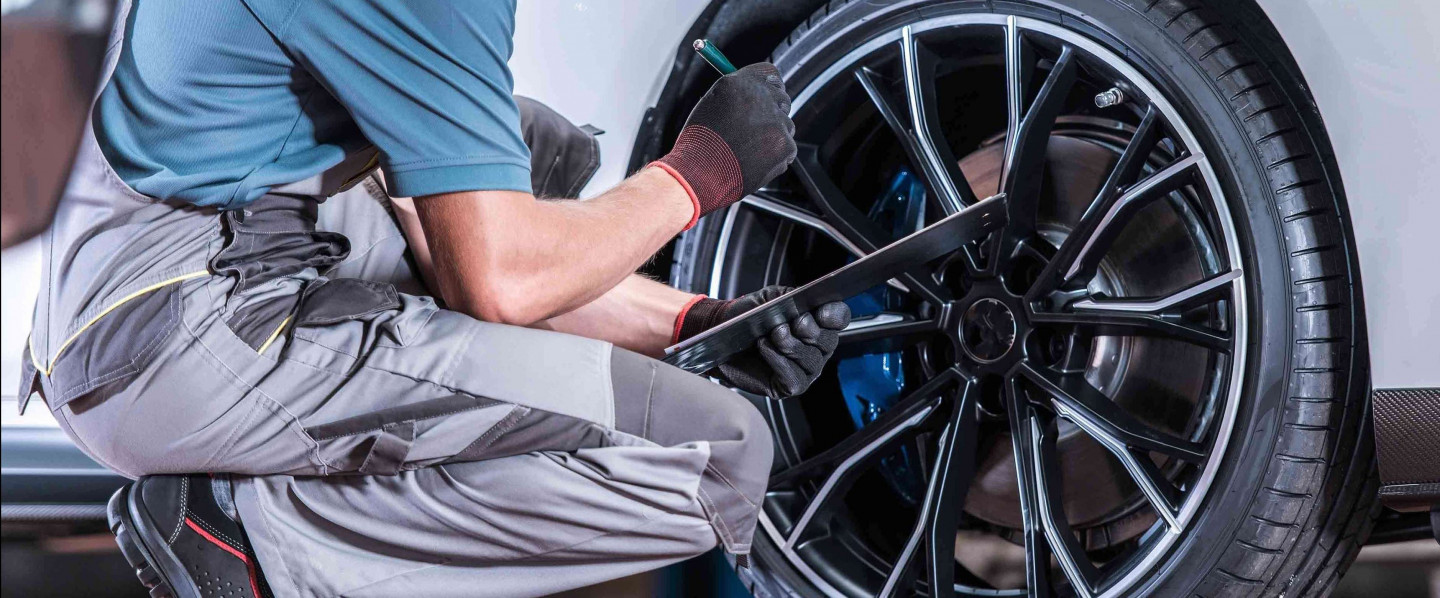
Tires for luxury and high end automotive sports cars providing our exclusive "no touch" installation.
Treat Your Vehicle With Respect
Take your ride to our tire service shop in Palm Harbor & Clearwater, FL
Experience the Difference Top-Quality Equipment Can Make
Turn to our tire service shop in Palm Harbor & Clearwater, FL today
Does your car shake when you drive it? You could have a tire or wheel issue on your hands. Pit Crew Tire & Motor Sport Div. in Palm Harbor & Clearwater, FL uses top-of-the-line tire mounting equipment and techniques to replace tires on all makes and models. Do you have a high-end machine? Our tire service shop can change any tires on any vehicle without causing damage. We guarantee that we'll make your ride as smooth and comfortable as possible.
Pit Crew Tire, For The Car Enthusiast Community

Need a Pit Stop?
Get tire replacement services now
We take care of cars and customers
Our renowned tire service shop is located in an idyllic historic neighborhood. When you walk up to our storefront, you'll think that you're visiting an old-fashioned train station or a peaceful fishing village. Our beautiful atmosphere is the perfect setting for our top-quality services. You'll feel like you're going on an adventure every time you visit us.
We've been providing exceptional customer service and reliable work since 1991. Locals and visitors alike come to us to improve and maintain vehicles of all types. You'll always be welcomed in by friendly faces at our tire shop.
Visit Pit Crew Tire & Motor Sport Div. today to give your car the excellent care it needs.
How to get new tires in 1-2-3
If you need tire replacement services, you will want to equip your ride with the very best materials. You can trust our team to find the tires you need and change them out efficiently. Our process is simple:
You'll show us your car and which tires you prefer
We'll order your tires to be delivered to our store
We'll jack up your car and change your tires
Meanwhile, you'll wait in the cool comfort of our air-conditioned shop in Palm Harbor, Florida. You can get back on the road again in no time at all. Get an estimate on our tire replacement services now by calling 727-748-2739.
PIT CREW TIRE & MOTOR SPORTS DIV.
821 Virginia Ave
Palm Harbor, FL 34683
CALL US
Phone: 727- PIT-CREW
(727) 748-2739
HOURS OF OPERATION
Monday-Sunday: By Appointment
In Loving Memory & Honor of Conor Holmes
2/28/2004 - 5/16/2023
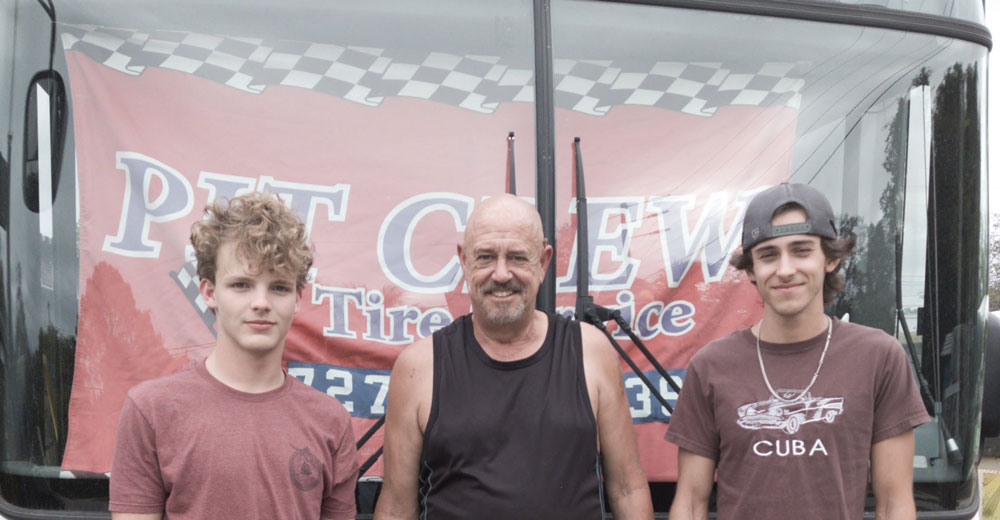
You will forever be in our hearts.